Sticky Lock? How to Find the Cause and Fix It
Updated October 9, 2026
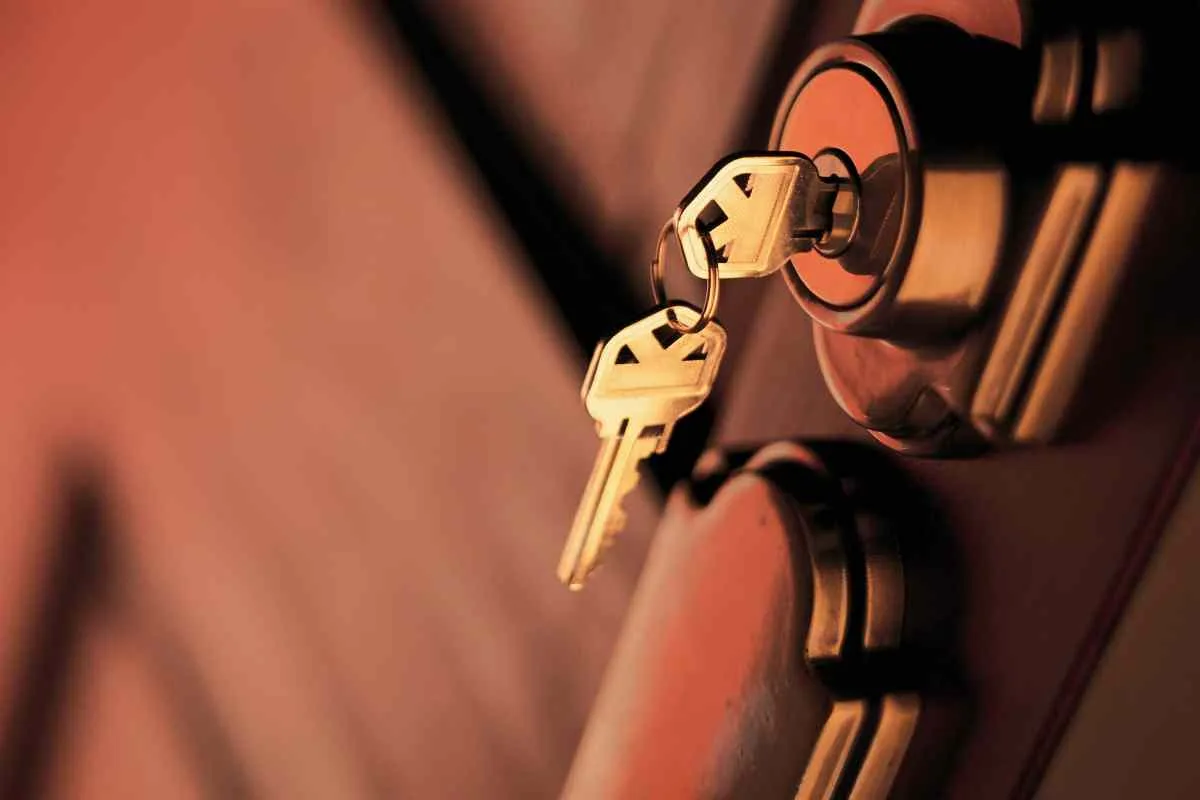
Most sticky locks are dirty locks. Grit and old lubricant build up in the keyway until the pins drag, and the key goes in rough or turns hard. Clean it out and relubricate before you decide anything is broken.
Try this first
- Look at the key. If it is bent, cracked or the cuts look rounded off, jump to the worn key section below.
- Blow out the keyway with a can of compressed air and its straw.
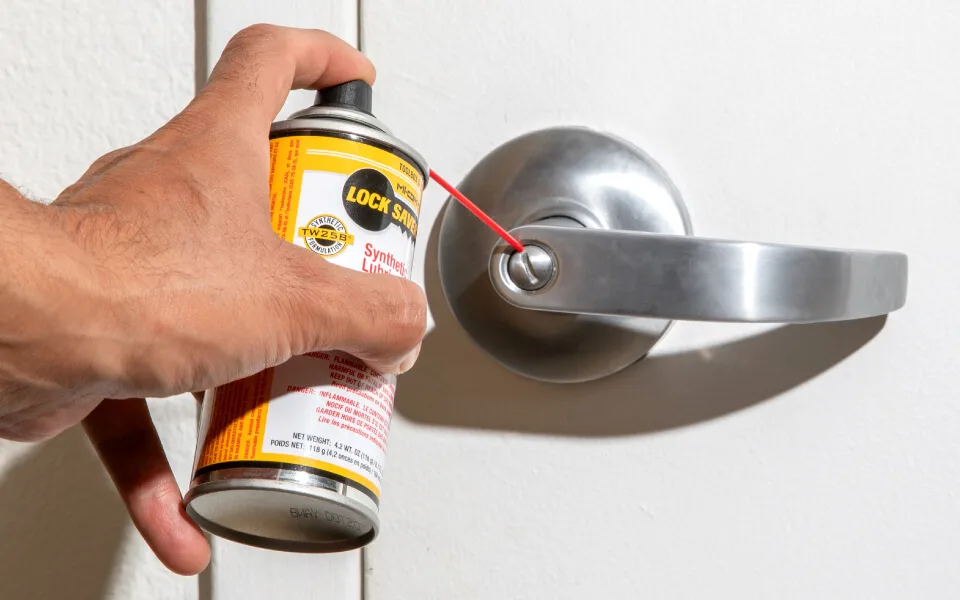
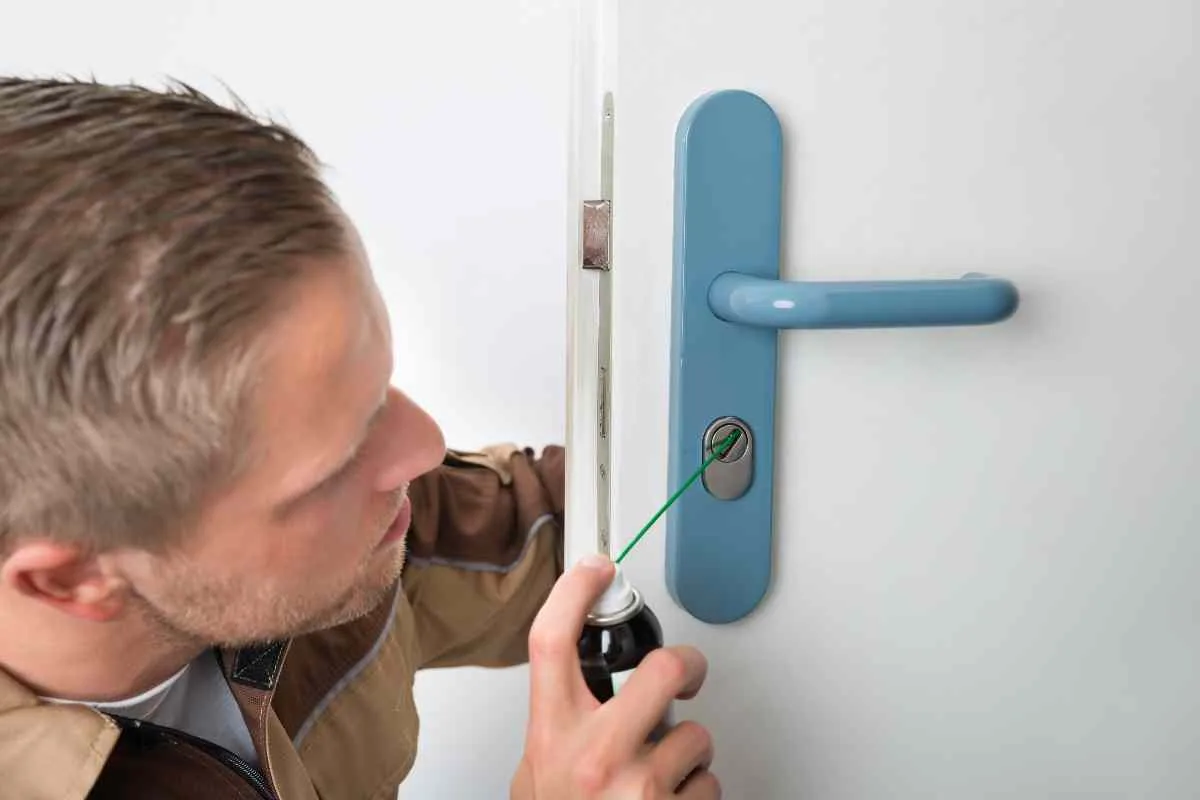
- Spray a lock lubricant into the keyway with a short burst through the extension straw.
- Slide the key in and out several times, then turn it fully in both directions several times.
- Wipe the key on a clean rag. If it comes out gray or black, there was grit inside. Repeat steps 3 and 4 once.
- Test the lock with the door open, then again with the door closed.
If the key turns smoothly with the door open and only sticks when it is shut, the cylinder is fine and the bolt is binding in the frame (see cause 6). If it sticks either way, the problem is inside the lock.
What’s causing it, most likely first
1. Dirt and old lubricant in the keyway
How to tell: the key feels gritty going in, and the lock got worse slowly over months. Locks that were “fixed” years ago with household oil are the usual suspects, because wet oil holds dust and turns to paste. Graphite powder does something similar when it gets damp, caking in the pin chambers.
What to do: repeat the cleaning above until the rag comes out clean, then use a lubricant that dries to a film. Lock Saver penetrates and leaves a semi-dry film instead of a wet coat, and it does not gum up, so dust has less to stick to.
2. Dry pins
How to tell: the key slides in cleanly but the turn feels stiff, or the lock squeaks. Common on locks that have never been lubricated at all.
What to do: lubricate and cycle the key. A dry lock usually loosens within a few turns. Our step-by-step lubrication guide covers how much to use.
3. A worn or badly cut key
How to tell: try a different key for the same lock. If the spare turns smoothly and your daily key doesn’t, the key is the problem. Copies of copies drift further from the original each time, and a key that lifts the pins to almost the right height feels like a sticky lock.
What to do: have a new key cut from the original or from the lock’s key code, not from the worn one. Lubricant can’t make up for a bad cut.
4. Cold and moisture
How to tell: the lock is outdoors and only sticks after rain or on cold mornings. Water in the keyway thickens old lubricant and can freeze around the pins.
What to do: don’t force the key. Thaw it gently, dry it, and lubricate before the next cold snap. The frozen lock guide has the safe way to do it.
5. Rust
How to tell: orange or brown on the lock face, the bolt or the key, usually on a gate, shed or coastal door, or a lock that sat unused for years.
What to do: penetrate, let it soak, then work the key gently back and forth. The rust guide covers freeing a rusted lock and when to replace it instead.
6. The door, not the lock
How to tell: the door-open test passes, but with the door shut you have to push or pull on it before the key will turn. You may see bright scrape marks on the bolt or the strike plate. Wooden doors often do this seasonally as they swell.
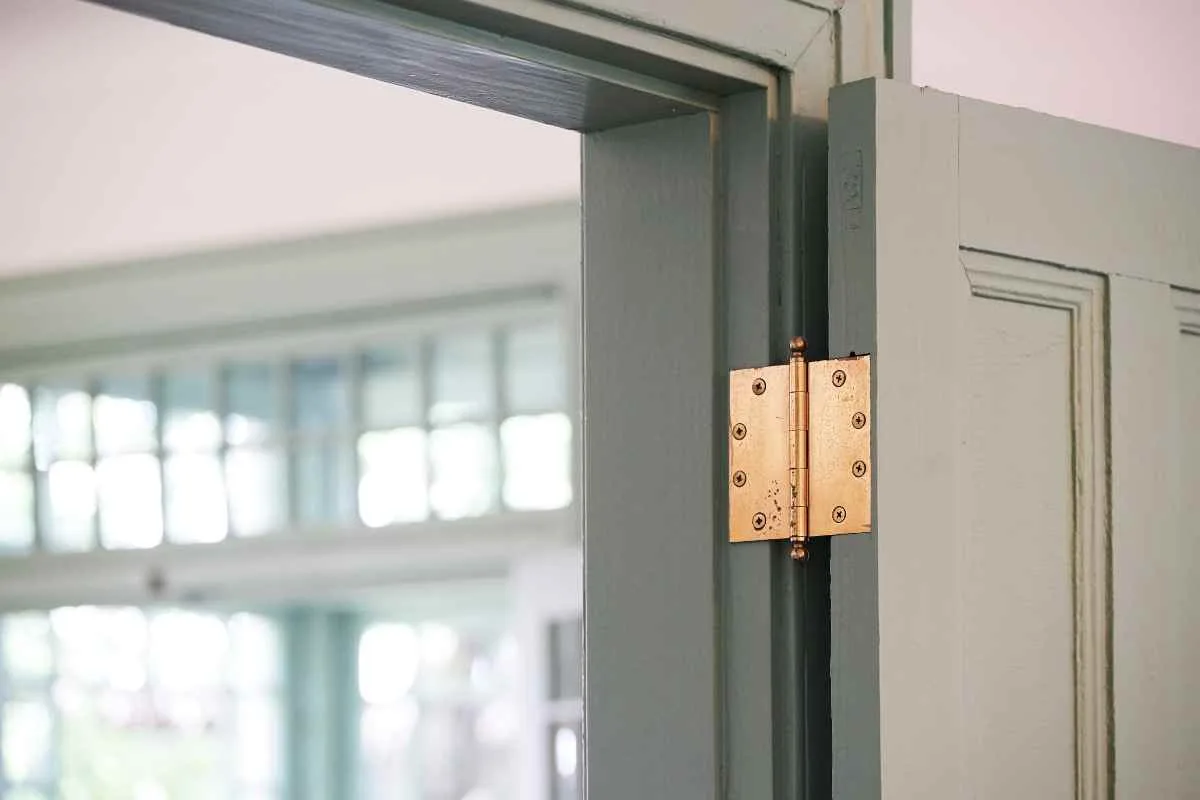
What to do: tighten the hinge screws first, since a sagging door is the most common reason the bolt misses the strike. If it still binds, the strike plate needs to be moved or its opening filed slightly larger. Lubricating the bolt helps a little but will not fix a door that is out of line.
When it’s a locksmith job
Stop and call one if:
- The key turns partway and hits a hard stop, or spins freely without moving the bolt. Something inside has broken.
- A key has snapped off in the cylinder.
- The cylinder moves or wobbles in the door.
- Two rounds of cleaning and lubricating made no difference with the door open.
On a commercial building, anything on a fire-rated or access-controlled door goes to whoever maintains that hardware. Sticky locks across a whole building usually mean nobody has them on a schedule; our facilities guide covers setting one up. Lock Saver is available here in a full-size can and a toolbox size.
A lock that still drags with the door open after two cleanings has a worn cylinder, and that is the point to put the can down and replace it.